

Description
Analysis Process
DNA analysis vs. visual determination
Many wood-destroying fungi are similar in colour, structure and growth form. The true dry rot fungus (Serpula lacrymanscan easily be confused with other species, such as the house fungus (Serpula himantioides), the brown rot fungus (Coniophora puteana) or the White Pore Sponge (Antrodia sinuosaA mix-up can lead to incorrect measures or delayed remediation.
| DNA analysis | Visual determination | |
| Accuracy | Species-specific identification at the DNA level | Depending on the condition of the sample |
| Early stage | Identification also possible without fruiting bodies | Often not possible, as visual features are missing |
| Confusion | Excluded following successful sequencing | Common in visually similar species |
| Documentation | DNA sequence data as objective evidence | Subjective assessment |
Who is the analysis suitable for?
Homeowners
Have you discovered suspicious growth on wooden structures in your home? A cotton-like mycelium, a musty smell, or brittle wood can indicate dry rot. Our analysis will bring you clarity before the damage gets worse.
Property purchase and renovation of old buildings
Before purchasing a period property, it is advisable to have the building inspected for wood-destroying fungi. A positive finding can have significant implications for the purchase price and refurbishment plans. Our analysis provides you with an objective, DNA-based foundation for your decision.
Experts and Assessors
Do you require a reliable species identification as the basis for your expert report? DNA sequencing provides objective results that can be used in reports and legal disputes.
Property management
When fungal infestation is suspected in rented properties, a swift and clear identification is crucial in order to initiate the correct measures and clarify responsibilities.
Refurbishment companies
Accurate species identification is a prerequisite for choosing the correct remediation method. According to ÖNORM B 3802, the true dry rot fungus requires a different approach than other wood-destroying fungi.
Scope of services
Test kit and instructions
You will receive a test kit with detailed instructions for taking the sample, as well as a return label.
DNA sequencing
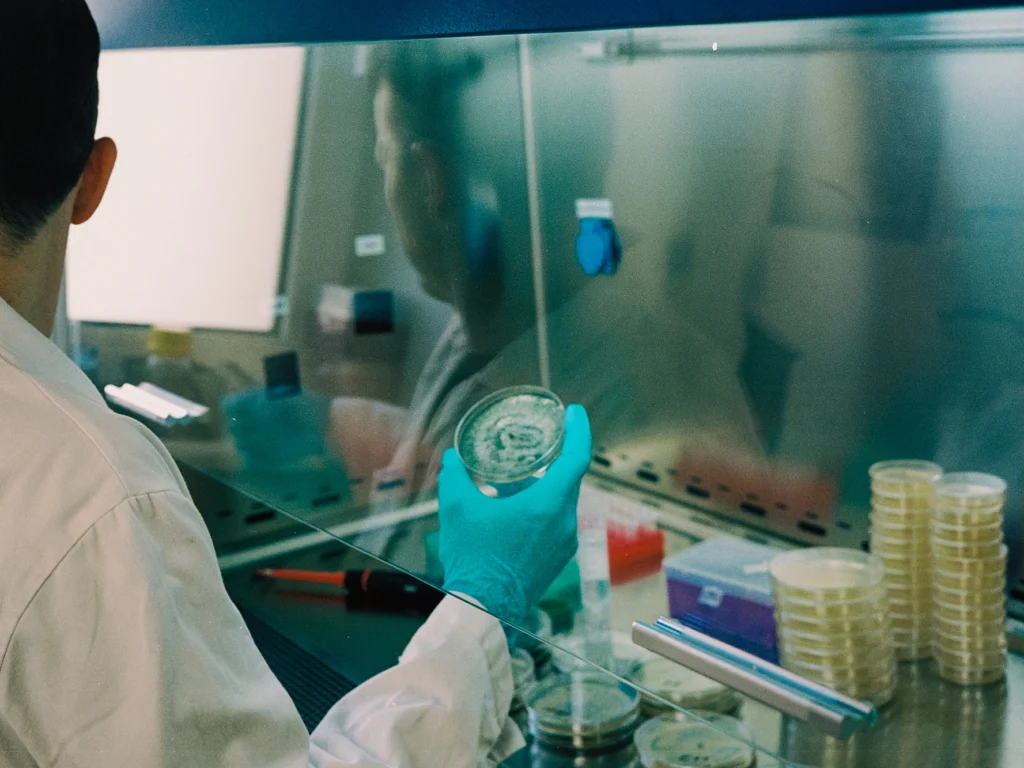
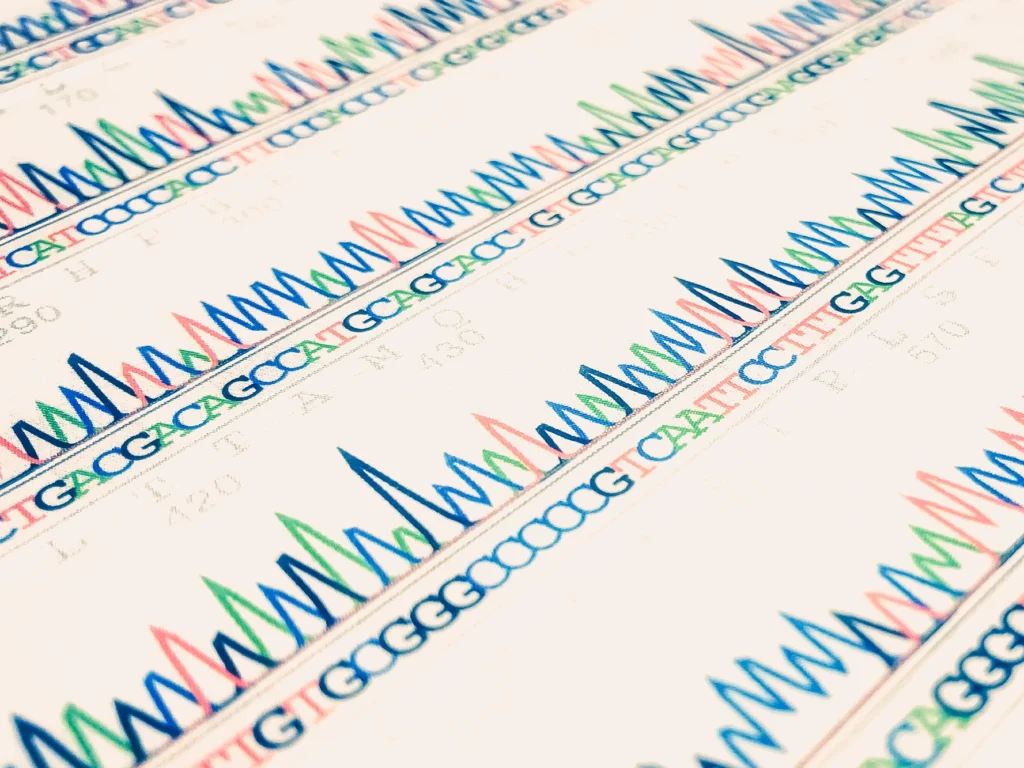
Identification of the fungus using species-specific DNA sections (ITS region). Sequencing is carried out according to established molecular biological standards.
Universal use
Our reference database includes all wood-destroying fungi commonly found in buildings. If it is not the true dry rot fungus, we will identify the species present.
Processing time
The analysis takes up to 2 weeks from receipt of the sample.
Analysis Report
You will receive a report via email with the identified fungal species and a specialist classification.
Frequently asked questions
How do I recognise a potential dry rot infestation?
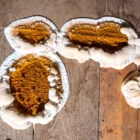
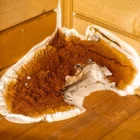
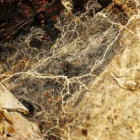
Typical signs include cotton-wool-like, white to grey mycelium on wooden surfaces, cord-like growth (rhizomorphs) across masonry, brittle wood with cuboidal brown rot, and rust-brown fruiting bodies with a white edge. In the early stages, these characteristics are often only faintly pronounced, making visual identification difficult.
How do I take and send the sample?
The test kit includes detailed instructions, suitable sample containers with desiccant, and a return label. Suitable sample material includes parts of the fruiting body, pieces of mycelium, rhizomorphs, or visibly heavily infested wood. The collection requires no special tools and can be carried out without specialist knowledge. Place the sample in the provided container and send it to our laboratory in Vienna as soon as possible.
What happens if it is not the actual house fungus?
Our reference database includes all wood-destroying fungal species commonly found in buildings, including Serpula himantioides (Common house fungus), Coniophora puteana Brown cellar fungus, Antrodia sinuosa White pore sponge, Gloeophyllum- species and more. If it is a different species, we will identify it and classify it in your report.
Will the result be recognised as an expert report?
The analysis report documents the species identification based on DNA sequencing and can be used as objective proof. However, it is not a structural engineering report in the sense of an expert appraisal. For a complete damage assessment, remediation planning, or legal disputes, we recommend submitting the report to a timber protection expert.
Why DNA analysis instead of visual determination?
Many wood-destroying fungi exhibit similar growth patterns and are difficult to distinguish from one another, particularly in the early stages. DNA sequencing identifies the fungus at the species level and is independent of external features.
How long does the analysis take?
From receipt of the sample, the processing time is up to 2 weeks. The results will be sent by email. We will begin the analysis immediately upon receipt and will inform you as soon as the results are available.
Our expertise
The analysis will be carried out in our molecular biology laboratory in Vienna. MyPilz is a biotechnology company specialising in fungal research, with a focus on DNA analysis, microbiome analysis, and the identification of damaging fungi in agriculture and in the construction sector. Our team of mycologists and biotechnologists works daily with environmental samples and maintains its own reference database for various damaging fungi.