Description
We would be happy to plan your project together with you and take care of its implementation.
How much does a microbiome analysis cost?
The price depends on the number of samples and the scope of the desired analysis. Once we have all the details of your project, we will be happy to provide you with a personalised quote.
Analysis of fungi only or bacteria only
- 1 to 3 samples: 1010,00 € per sample, excl. VAT
- 4 to 10 samples: 410,00 € per sample, excl. VAT
- More than 10 samples: 290,00 € per sample, excl. VAT
Combined analysis of fungi and bacteria
- 1 to 3 samples: 1556,00 € per sample, excl. VAT
- 4 to 10 samples: 656,00 € per sample, excl. VAT
- More than 10 samples: 476,00 € per sample, excl. VAT
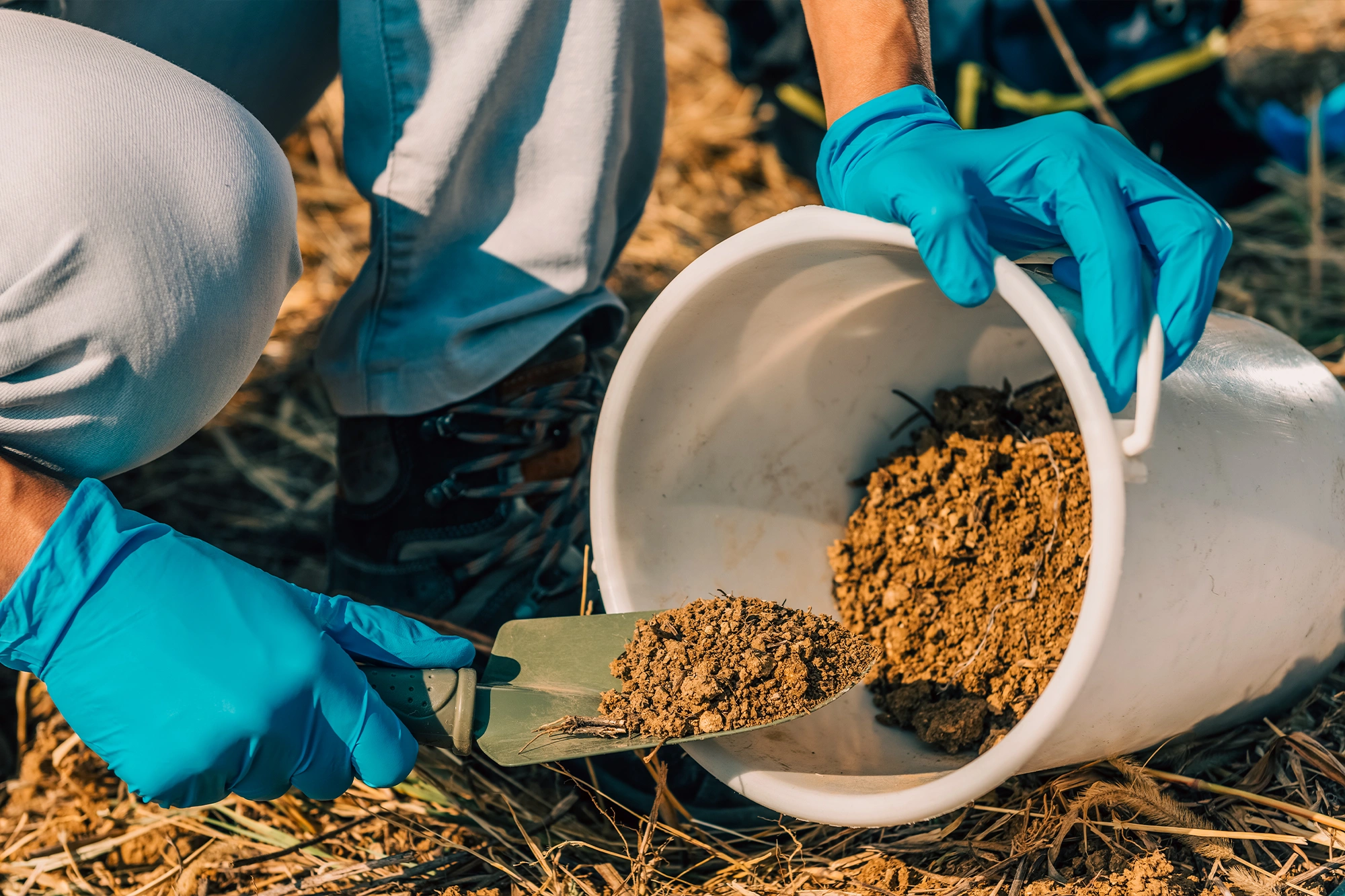
For comparative studies, at least three replicates per study group are recommended. In homogeneous areas, composite samples can also be used as replicates. In this case, several soil cores are combined to form a single sample. While this increases the diversity captured, it reduces the statistical resolution between samples.
Example: A site is sampled over three consecutive years. For statistical comparison, three replicates are required per year, resulting in a total of nine samples.
Data analysis and evaluation: Depending on the research question and the desired depth of analysis, additional costs may apply for bioinformatic and statistical data analysis. These typically range between 3000,00 € and 6000,00 € excl. VAT and may be higher depending on the scope of the analysis.
The effort required for data analysis depends only partially on the number of samples. Therefore, it is possible to pool samples from multiple sites or projects and analyse them together to reduce the cost per sample. It is also possible to take a staggered approach to sampling over time and conduct a joint analysis.
Consulting and project planning
We offer consulting support for project planning, sampling, study design, and interpretation of results. Book consulting now.
Methodological details
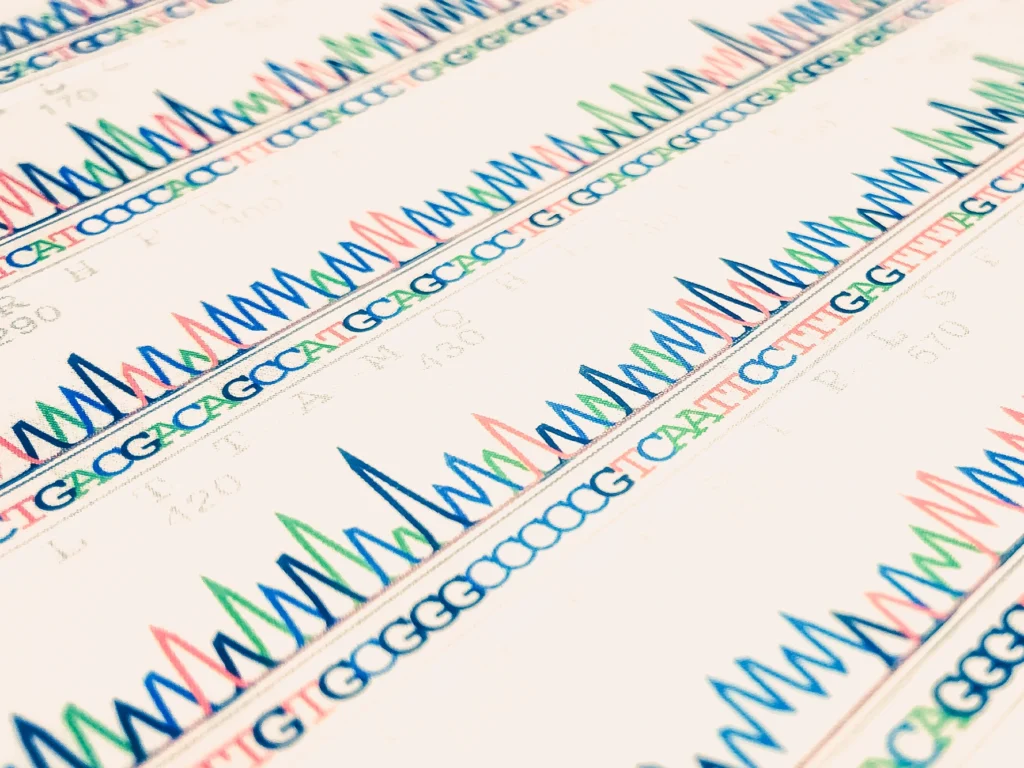
Established genetic markers are used for the analysis.
- Bacteria: V4 region of the 16S rRNA gene
- Fungi: ITS2 region
The reliability of the analysis largely depends on the quality of the sample material submitted. Improper storage, temperature fluctuations or contamination can all have an adverse effect on the results.
Processing time and results
The processing time is up to ten weeks from receipt of the samples. The results are provided digitally by email.